A New Month Presents New Challenges in Real Estate What Buyers and Sellers Need to Know
The real estate market continues to keep buyers and sellers on their toes! Just as the Greater Toronto Area (GTA) housing market was showing signs of renewed activity, rising interest rates and ongoing economic uncertainty added another layer of complexity.
So, what does this mean if you're thinking about buying or selling a home in Toronto, Hamilton or the surrounding communities?
Let's take a look at the October 2026 real estate market.
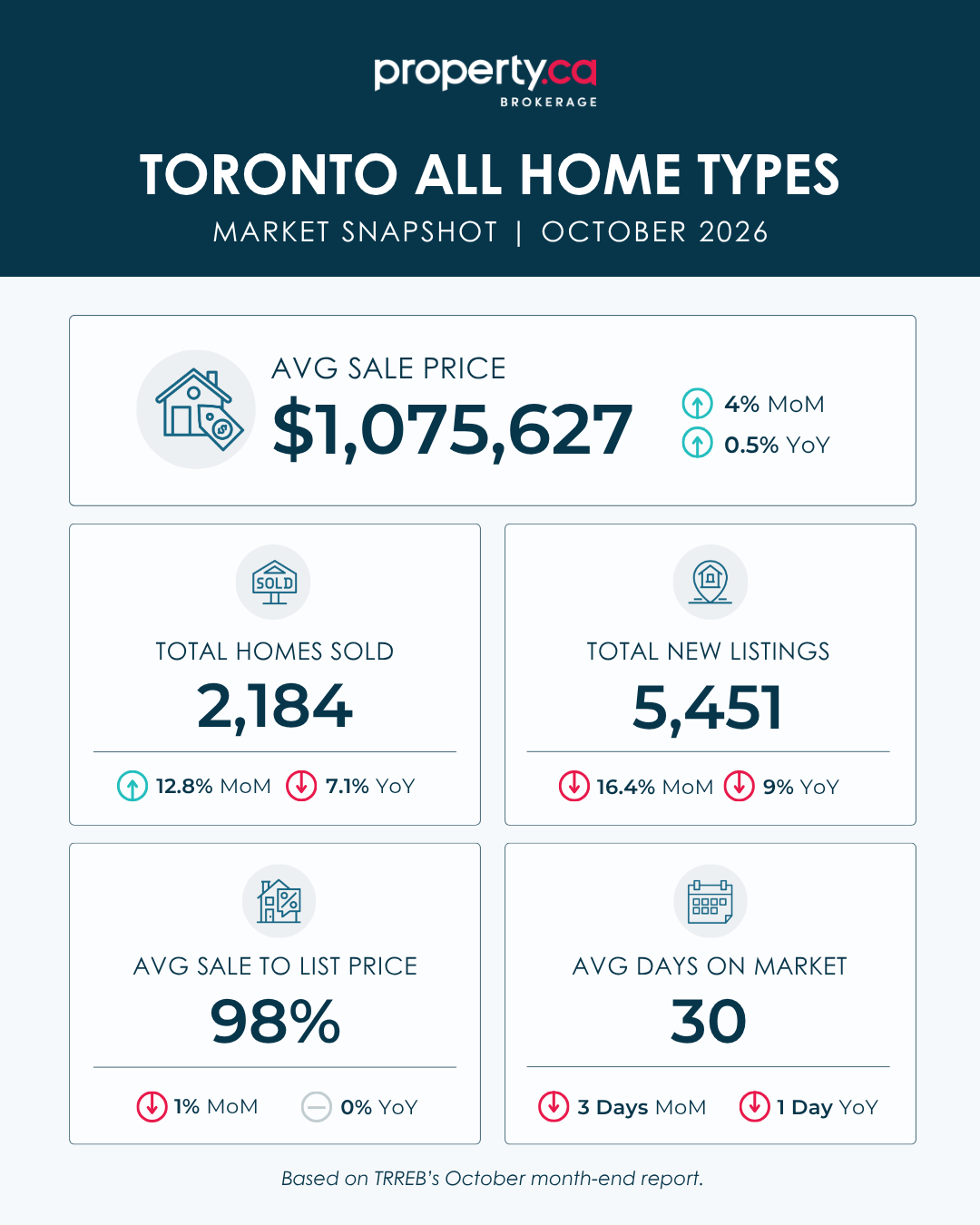
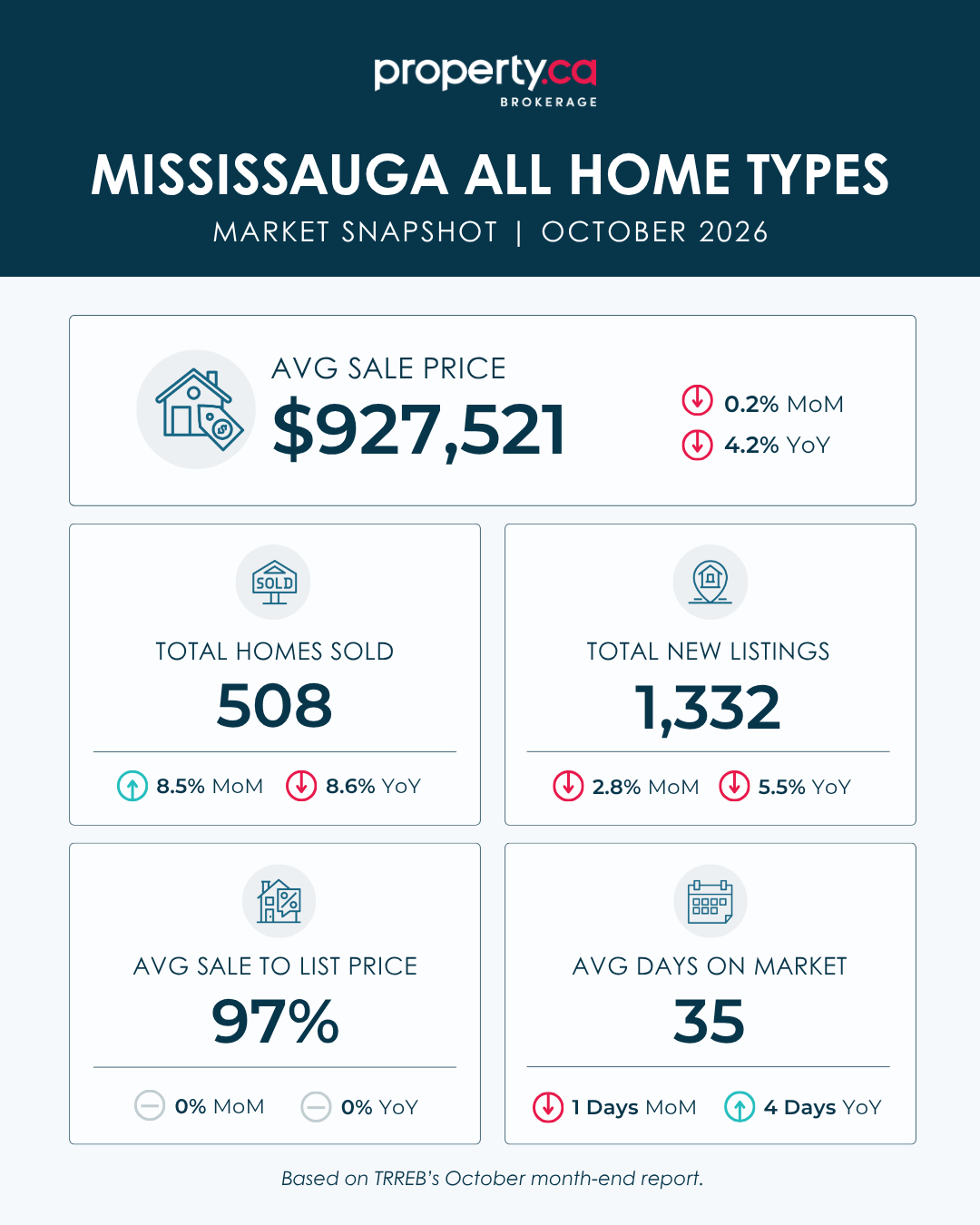
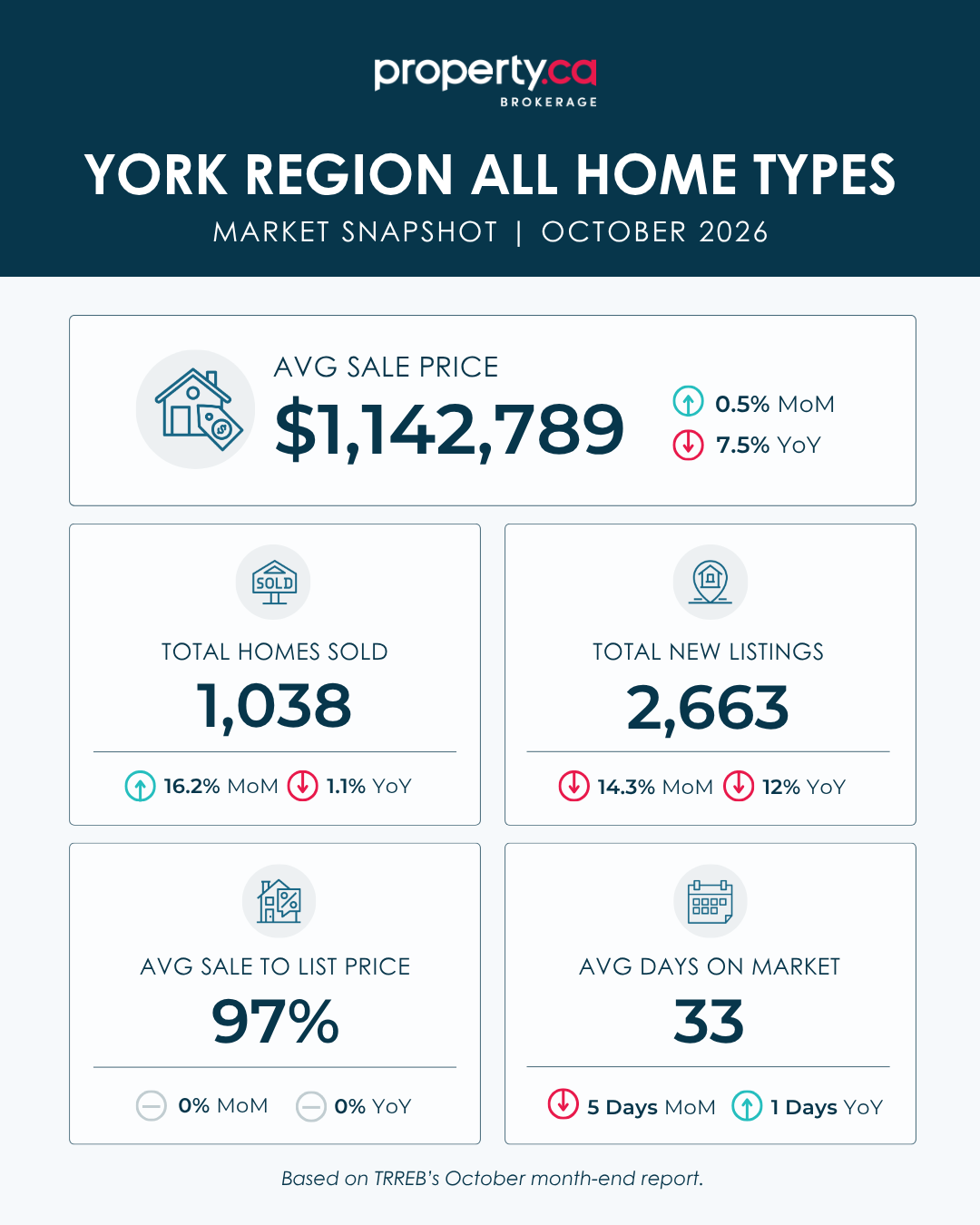
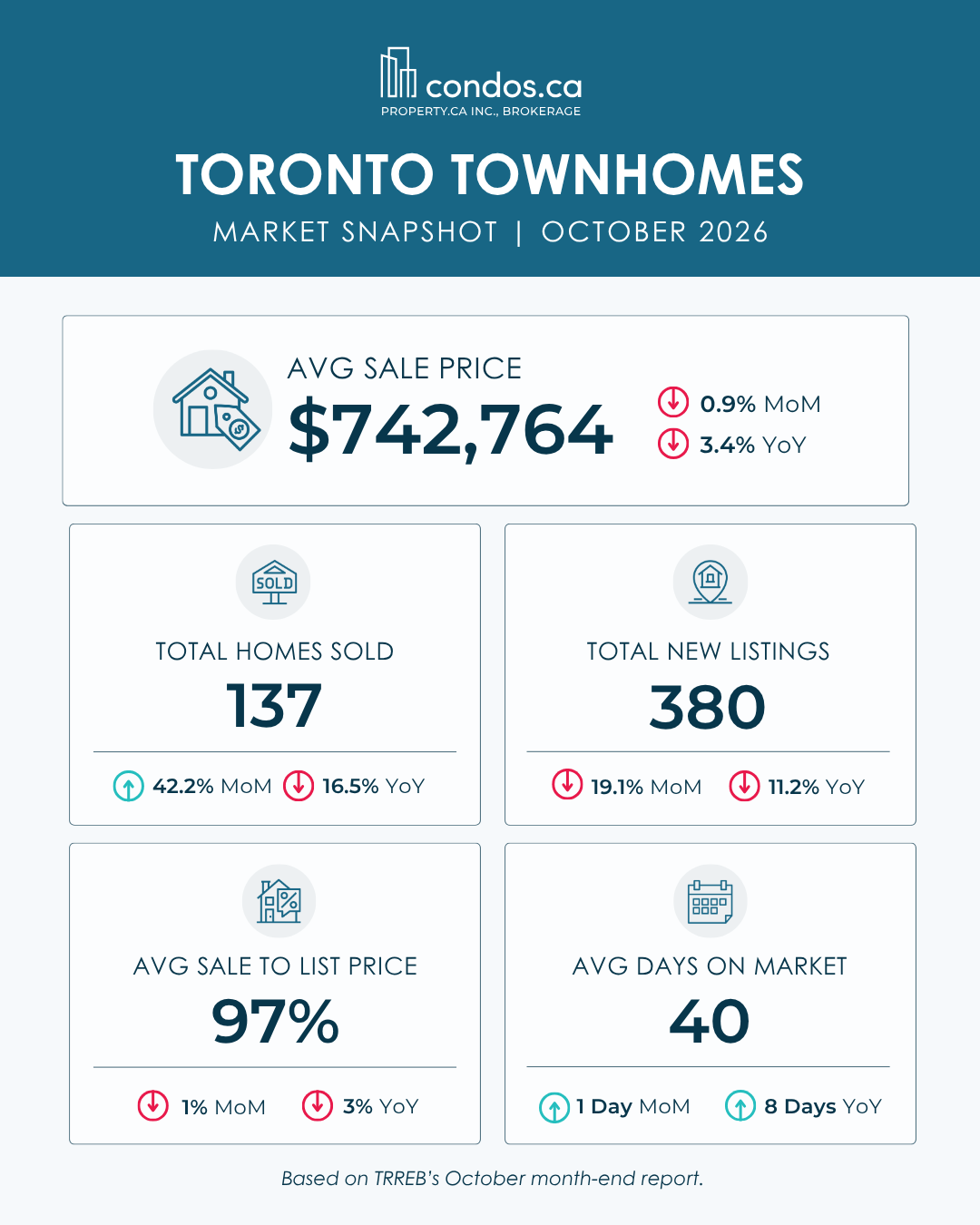
October 2026 GTA Real Estate Market: The Numbers
According to the latest market report:
Home sales: 5,603, down 7.9% year-over-year.
New listings: 14,173, down 11.9%.
Active listings: Down 10%.
Average selling price: $1,024,108, down 2.7% year-over-year.
While sales and prices increased slightly compared to September, the market continues to reflect cautious buyers and ongoing economic uncertainty.
Is It a Good Time to Buy a Home in Toronto or Hamilton?
For buyers who are financially prepared, today's market may present some interesting opportunities.
With prices adjusting and buyers having more negotiating power, there may be opportunities to find the right property without the intense competition experienced in previous years.
However, affordability isn't just about purchase prices. Interest rates, employment security and the rising cost of living continue to influence buying decisions.
Our advice? Take the time to understand your budget, explore your options and make a move that feels financially comfortable.
Is It a Good Time to Sell a Home in the GTA?
For sellers, fewer listings might sound like good news, but lower inventory doesn't automatically translate into a stronger seller's market.
Buyer demand remains an important factor, making realistic pricing, proper preparation and a well-planned marketing strategy essential.
Local market conditions also vary considerably. In October, homes in Toronto East sold for approximately 101% of asking price, compared to 95% in Oakville.
This is why understanding your specific neighbourhood is so important when determining your home's value and developing a selling strategy.
What Does This Mean for Toronto and Hamilton Real Estate?
Whether you're considering a move in Toronto, Hamilton or the surrounding communities, the biggest takeaway is that real estate is local.
Market averages provide a helpful overview, but neighbourhood trends, property types, pricing and buyer demand can tell a very different story.
There isn't one strategy that works for every buyer or seller.
Thinking About Buying or Selling in Toronto or Hamilton?
The October market reminds us that preparation and local knowledge matter more than ever.
If you're considering buying or selling a home in Toronto, Hamilton or the surrounding GTA communities, we'd love to help you understand your options.
As real estate professionals specializing in Toronto and Hamilton real estate, we believe informed decisions start with honest advice, current market information and a strategy built around your goals.
Let's talk about your next move!
Visit hammerstrikes.ca to connect with us. We're always happy to answer your questions and help you navigate the real estate market with confidence.
September was a quieter month for the Greater Toronto Area (GTA) real estate market, with sales, new listings, and average prices all declining year-over-year.
According to TRREB, home sales fell 9% to 5,040, while new listings dropped 14.4% to 16,500. The average selling price was $1,006,409, down 5.1% from last year. Sales and prices also softened compared with August on a seasonally adjusted basis.
Are Buyers Waiting for the Right Time to Buy?
Buyer demand hasn't disappeared. Many GTA households are waiting for greater confidence in employment, inflation, and borrowing costs before making a move. If confidence improves, pent-up demand could bring buyers back quickly, especially with active listings down 9.3% year-over-year.
Toronto Real Estate: Local Trends Matter
Some neighbourhoods remain competitive despite the slower market. Toronto East homes sold for an average of 101% of asking price, with E01 reaching 109%. Semi-detached homes across Toronto's 416 area averaged 104% of asking.
Condos tell a different story, with more than 8,200 active listings across the GTA, giving buyers more choice and potential negotiating power.
What Does This Mean for Buyers and Sellers?
Buyers may find opportunities in areas with greater inventory, particularly the condo market. Sellers should focus on strategic pricing and neighbourhood-specific comparable sales, as market conditions vary significantly by location and property type.
Toronto's October 26 municipal election is also worth watching, with housing affordability, land transfer tax relief, and construction among the issues that could shape future housing policy.
At Hammer Strikes Realty, we help buyers and sellers navigate the Toronto, Hamilton, and GTA real estate markets with local knowledge and personalized guidance.
Thinking about buying or selling? Contact Hammer Strikes Realty to discuss your neighbourhood and real estate goals.